

 HVAC (Heating, Ventilation, and Air Conditioning) dealers provide a wide range of services to ensure indoor comfort and air quality in homes and businesses. These professionals are skilled in various aspects of climate control systems, offering solutions for both residential and commercial properties. Let’s explore the main types of services typically offered by HVAC dealers:
HVAC dealers excel in installing new systems, catering to diverse needs and property types:
New construction installations: Designing and implementing HVAC systems for newly built homes or commercial spaces.
Replacement of old systems: Upgrading outdated units with more efficient, modern equipment.
Ductwork installation: Setting up the network of ducts that distribute conditioned air throughout a building.
Smart thermostat integration: Installing and configuring programmable or Wi-Fi-enabled thermostats for improved control and energy efficiency.
Keeping HVAC systems running smoothly is crucial for comfort and energy efficiency:
Emergency repairs: Addressing sudden breakdowns or malfunctions, often with 24/7 availability.
Routine maintenance: Conducting regular check-ups to prevent issues and optimize performance.
Seasonal tune-ups: Preparing systems for peak performance during heavy-use seasons (summer and winter).
Filter replacements: Ensuring clean air circulation by changing or cleaning air filters regularly.
HVAC dealers help property owners maximize their system’s efficiency:
Energy audits: Evaluating current energy usage and identifying areas for improvement.
Insulation inspections: Checking and recommending upgrades to a building’s insulation for better temperature control.
Duct sealing: Identifying and sealing leaks in ductwork to prevent energy loss.
Improving the air quality within buildings is becoming increasingly important:
Air purification system installation: Adding devices to remove pollutants, allergens, and pathogens from indoor air.
Humidity control: Installing humidifiers or dehumidifiers to maintain optimal moisture levels.
Ventilation improvements: Enhancing air exchange systems to reduce indoor pollutants and improve overall air quality.
Duct cleaning: Removing accumulated dust, debris, and potential contaminants from ductwork.
HVAC dealers offer expertise in planning and optimizing climate control systems:
System design for new construction: Creating efficient HVAC layouts for upcoming building projects.
Retrofit planning: Developing strategies to update existing systems with minimal disruption.
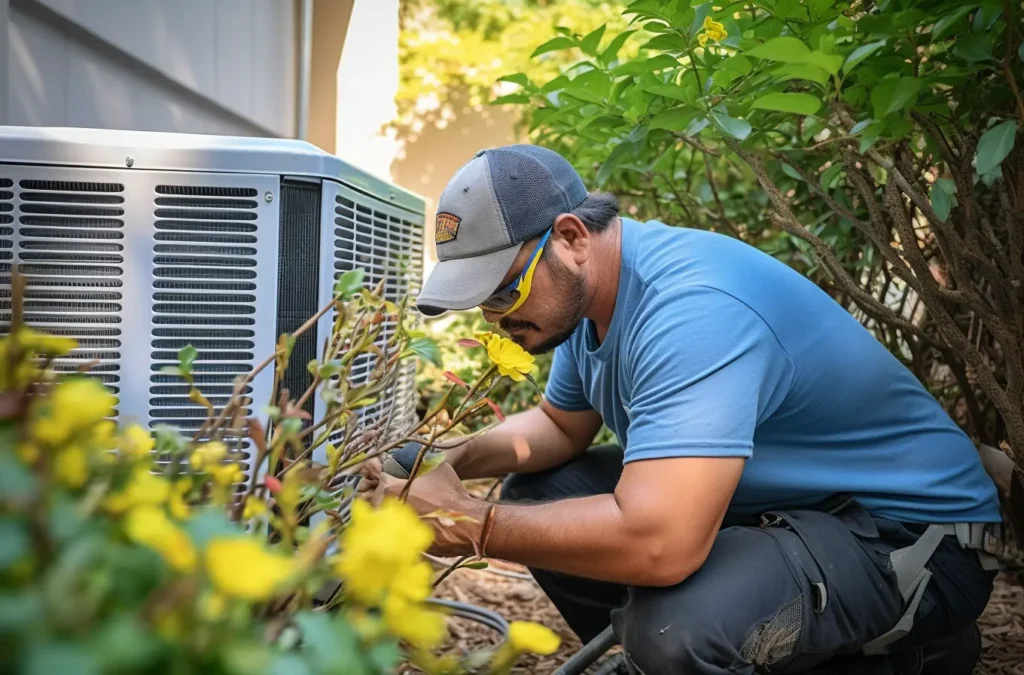 Choosing a local HVAC dealer for your heating, ventilation, and air conditioning needs can offer numerous advantages over larger, national chains. Local dealers often provide personalized service, faster response times, and a deeper understanding of regional climate challenges. Let’s explore the key benefits of partnering with a local HVAC professional:

Selecting the right HVAC dealer is crucial for ensuring the comfort, efficiency, and longevity of your heating, ventilation, and air conditioning systems. With numerous options available, it’s important to carefully evaluate potential dealers based on several key factors. This guide will help you make an informed decision when choosing an HVAC professional.
Verifying proper credentials is essential:
State licensing: Ensure the dealer holds valid licenses required by your state.
Industry certifications: Look for certifications from recognized organizations like NATE (North American Technician Excellence) or ACCA (Air Conditioning Contractors of America).
Manufacturer certifications: Check if technicians are certified to work on specific brands you own or are considering.
Years in business: Longevity often suggests stability and consistent service quality.
Specializations: Some dealers may have particular expertise in certain systems or building types.
Portfolio of projects: Review past installations or major projects to gauge their capabilities.
Feedback from previous clients can provide valuable insights:
Online reviews: Check platforms like Google, Yelp, or the Better Business Bureau.
Testimonials: Ask the dealer for references from recent customers.
Local reputation: Inquire about the company’s standing within the community.
Transparent pricing: Clear breakdown of costs for parts, labor, and additional services.
Free estimates: Availability of no-obligation quotes for major installations or repairs.
Financing options: Flexible payment plans or partnerships with financing institutions.
Strong warranty offerings can provide peace of mind:
Manufacturer warranties: Ensure the dealer is authorized to offer and honor manufacturer warranties.
Workmanship guarantees: Look for dealers who stand behind their installation and repair work.
Satisfaction guarantees: Policies that address customer concerns post-service.
Responsive support during critical times is important:
24/7 availability: Round-the-clock service for urgent HVAC issues.
Response time guarantees: Commitments to arrive within a specific timeframe for emergencies.
After-hours support: Availability of technicians outside regular business hours.

While both residential and commercial HVAC dealers work with heating, ventilation, and air conditioning systems, they cater to distinct markets with unique requirements. Understanding these differences is crucial for property owners and managers seeking appropriate services.
Scope: Focus on single-family homes, apartments, and small multi-unit dwellings.
System Size: typically work with smaller units, usually under 5 tons of cooling capacity.
Equipment: Deal with standardized residential systems like central air conditioners, furnaces, and heat pumps.
Installation: Often complete projects within a few days due to smaller system sizes.
Maintenance: Offer seasonal tune-ups and simpler repair services.
Regulations: Follow residential building codes and energy efficiency standards.
Scope: Serve businesses, industrial facilities, large apartment complexes, and institutional buildings.
System Size: Handle larger systems, often exceeding 25 tons of cooling capacity.
Equipment: Work with complex systems including rooftop units, chillers, and building automation systems.
Installation: Projects can take weeks or months due to system complexity and building size.
Maintenance: Provide more frequent and intricate servicing, often with ongoing contracts.
Regulations: Adhere to stricter commercial building codes and energy management requirements.
Expertise: Commercial dealers require specialized knowledge of larger, more complex systems and industrial-grade equipment.
Design Considerations: Commercial projects often involve custom designs to meet specific building needs, while residential systems are more standardized.
Load Calculations: Commercial spaces have more variables affecting HVAC needs, such as occupancy fluctuations and heat-generating equipment.
Energy Management: Commercial systems typically incorporate more advanced energy monitoring and control features.
Service Timing: Commercial repairs often need to be conducted outside of business hours to minimize disruption.
Cost and Budgeting: Commercial projects generally involve higher costs and more complex budgeting processes.
While some HVAC companies offer both residential and commercial services, many specialize in one area due to the distinct skill sets and equipment required. When selecting an HVAC dealer, ensure they have specific experience in your property type to guarantee the best service and results.